
The Meal Ritual - How Every Meal Becomes a Familiar Moment
A mealtime ritual might sound like a big deal, but it’s often a very small thing. A grace before meals, a set seat, a shared moment before the first bite. Find out here how to turn this into a real ritual that fits your family.
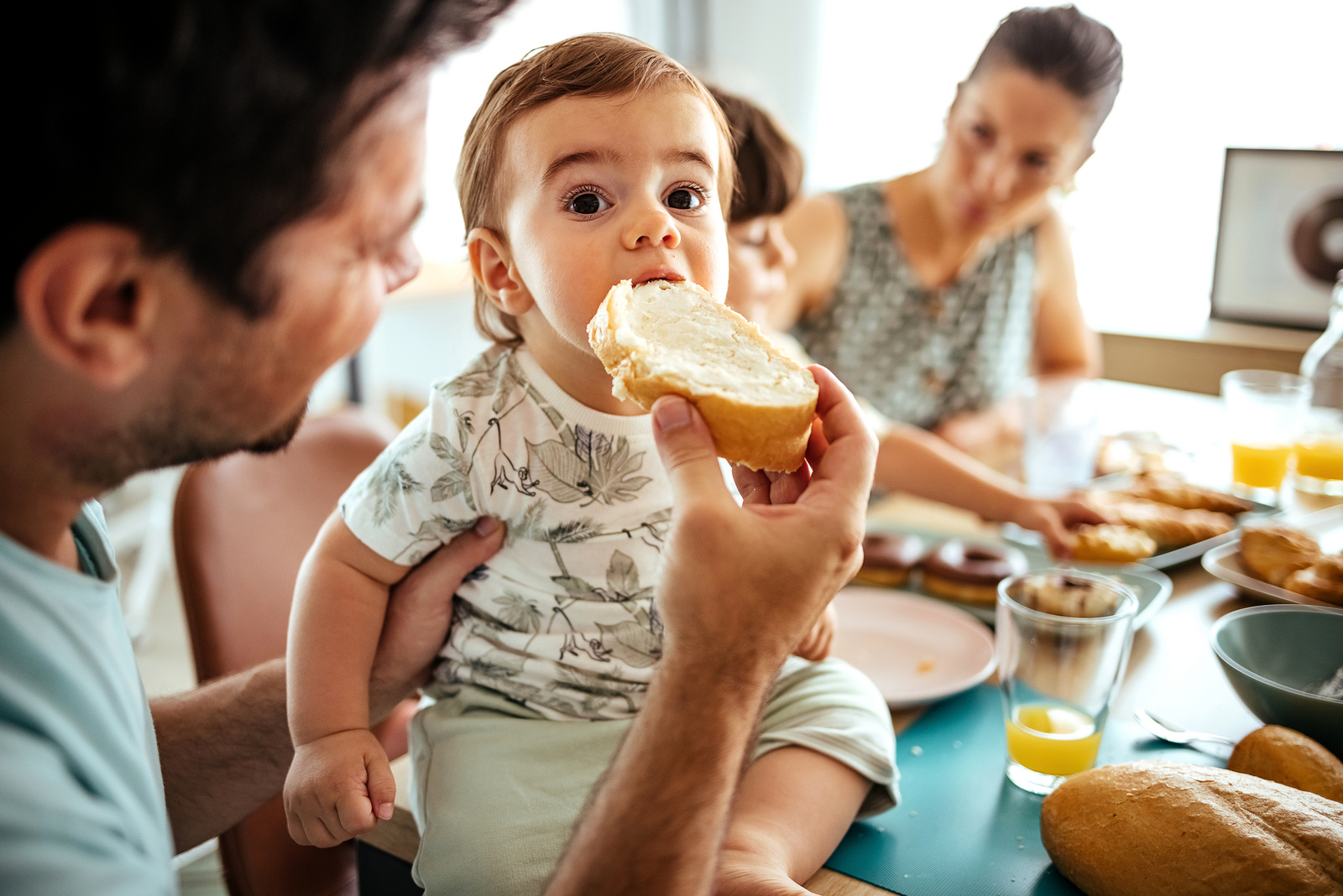
Why a Mealtime Ritual Is More Than Just a Habit
Children learn about the world through repetition. Anything that happens the same way every time feels safe, and that’s exactly what lays the foundation for relaxed meals. A consistent mealtime ritual for toddlers signals: Now we’re coming together. Now it’s time for us.
This makes a difference. Children who grow up in a calm, familiar mealtime atmosphere develop a healthier relationship with food, are more open to new flavors, and - at least most of the time - are more relaxed at the table.
And for parents? A clear routine reduces the daily back-and-forth. Less “I don’t want to!” and more time together.
What makes for a good mealtime ritual?
A table ritual for children doesn't have to be elaborate. The most beautiful rituals often arise spontaneously and then become a tradition.
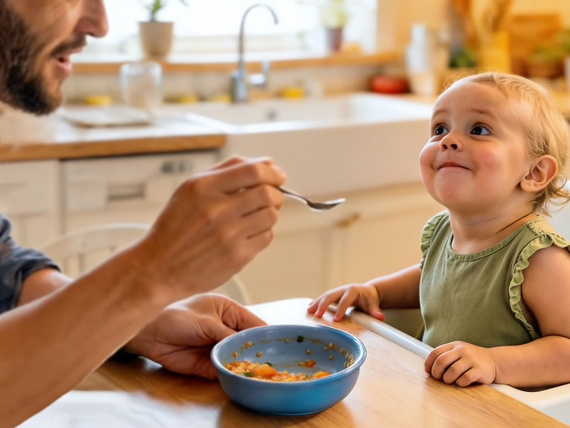
A few ideas that work well:
- A table blessing or table song - the auditory signal that brings everyone into the moment
- Setting the table together - even toddlers can place a spoon on the table
- A designated spot - having their own chair and cup fosters a sense of identity and belonging
- No screens - meals as screen-free zones strengthen genuine connections
- A signal to wrap things up - e.g., clearing the table together or a quick “All done!”
A Few Table Sayings
Meal prayers are one of the simplest and most effective forms of mealtime ritual. They provide a framework for the moment, and children love them because they know them by heart.
Important: The best grace is the one you make up together. Let your child suggest words - that makes it their own.
How do you structure your mealtime routine?
A smart plan for relaxed meals:
- Stick to set mealtimes - structure creates predictability
- Involve your child in the preparations - help set the table, fold a napkin, place a cup on the table
- Introduce a grace or song - short, simple, and always the same
- Sit down together, start together - no rushing ahead, no eating on the go
- End the meal mindfully - e.g., with a brief “Did you enjoy your meal?” ritual
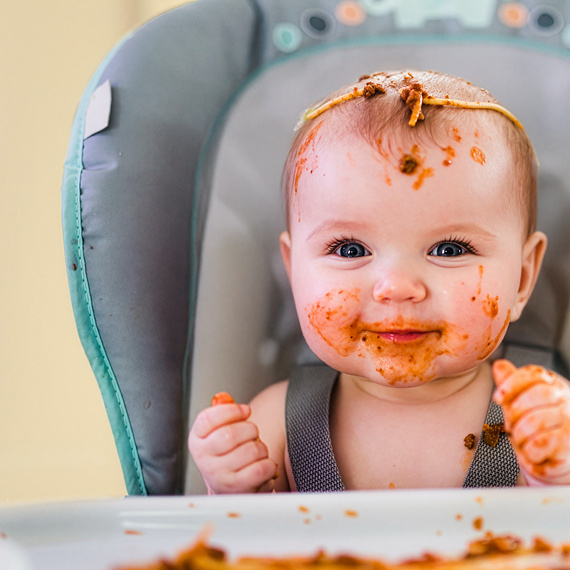
When things don't go well at the table
Kids have bad days. Mealtimes aren't always calm and orderly and that's okay.
Three tips for chaotic mealtimes:
1. A table prayer as a reset: Even if things are already getting out of hand, say the prayer together. It signals: a new try, a fresh start.
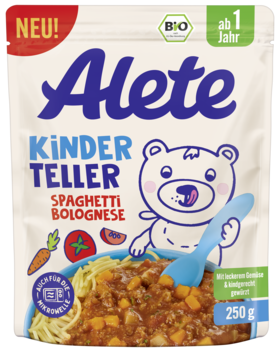
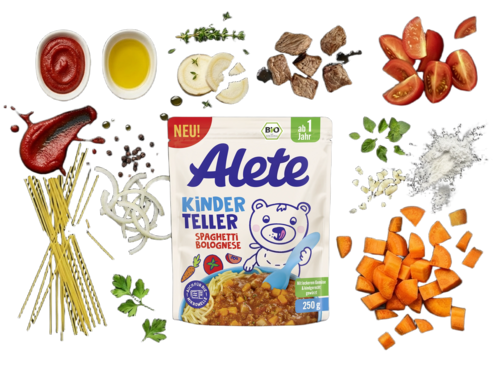
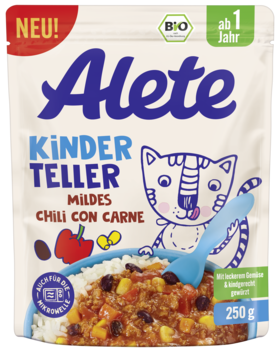
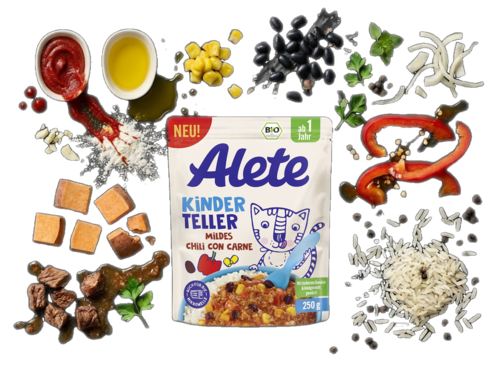
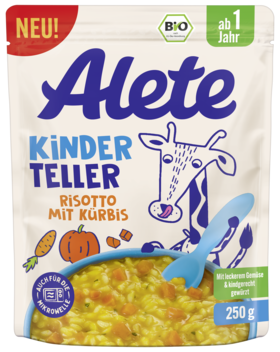
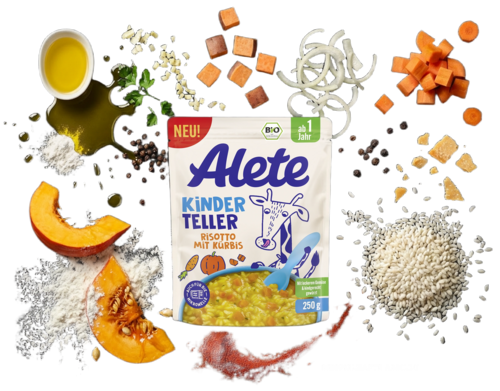
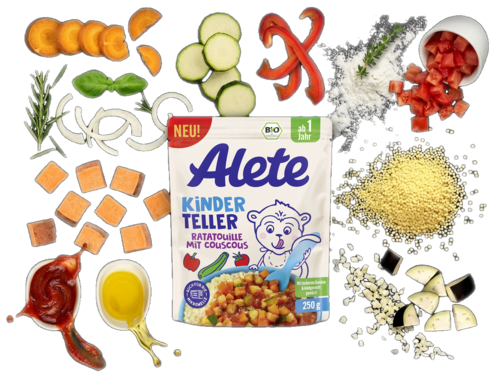
2. A small plate instead of big pressure: Less on the plate means less resistance. One serving of Alete Kids’ Plates is designed exactly for one meal - no leftovers, no stress.
3. Scale down the ritual to a mini version: When nothing else works - a phrase, a hug, a smile. That, too, is a ritual.
Remember: The goal isn’t the perfect meal, but the familiar moment surrounding it.
No ritual has to be perfect. It just has to be right for you.
Your Alete Team
For a relaxed mealtime: Kids' meals that taste like homemade:
FAQs About Mealtime Routines with Children
-
At what point does a mealtime ritual make sense?
Starting right from the beginning of solid foods - around 6 months of age— - hildren benefit from consistent mealtime routines. The sooner you start, the more natural the routine will become.
-
Does the mealtime routine have to be the same for every meal?
It's not mandatory, but one key element (such as the grace before meals or sitting together) should remain consistent. Variations are perfectly fine.
-
What should I do if my child doesn't join in with the grace?
Just keep going - toddlers watch first and then imitate. No pressure, no stress. The ritual works through repetition.
-
How long should a meal last?
For toddlers, 15–20 minutes is a realistic amount of time. Quality is more important than duration: without distractions, with full attention and connection.
-
Which meals are particularly well-suited for a mealtime ritual?
Hot main meals with familiar flavors work best. The Alete Kinderteller (e.g., Spaghetti Bolognese or mild Chili con Carne) are ideal - they’re seasoned to suit children’s tastes, contain no added salt, and are organic.
-
Are table blessings religious?
Not necessarily. There are many neutral, lighthearted table blessings that have no religious connotations whatsoever. The important thing is this: It’s your ritual - choose what works for your family.



Our experts at Alete Family Services are here for you.
If you have any questions about our products, our experienced colleagues at Alete Family Service will be happy to assist you with advice and support.
Monday through Friday: 9:00 a.m. to 2:00 p.m.
Phone: 0800-1125205
Email: info@alete.de