
Kinderkeks
Healthy eating also means letting little foodies have a snack every now and then. But be careful: ...


Every parent knows the feeling: Your child is crying in the back seat, the highway seems to go on forever, and you feel like you’re about to lose it yourself. Traveling with a toddler is magical. And sometimes, it’s just a whole lot to handle. Here you’ll find everything you need - from “What’s actually happening right now?” to “What should I do right this minute?”
For babies and toddlers, a long car ride is truly uncharted territory. They can’t distract themselves, feel every turn, and aren’t yet able to put their feelings into words - so they react the only way they know how: loudly.
These are the most common sources of stress during a car ride:
The most important thing: It doesn’t mean you’re doing something “wrong.” Children react to their surroundings - and you can take smart steps to address it.
Right Now: 3 Things That Help Immediately
1. Stay calm first - then react
Take a deep breath. Children can sense your tension. A calm voice from the front seat can make a big difference - even if you can’t see your child.
2. Distract them with your voice and sounds
Sing a song. Tell a story. Ask a question. A change of activity often works faster than any toy.
3. Check if they’re hungry or thirsty
Sometimes the solution is simpler than you think. Offer a snack or something to drink - if it’s safe and possible. Good options: handy, individually wrapped snacks that you can easily pass to them from the front seat.

Not every snack is equally good for the car. Smart snack ideas for traveling with a toddler meet these criteria:
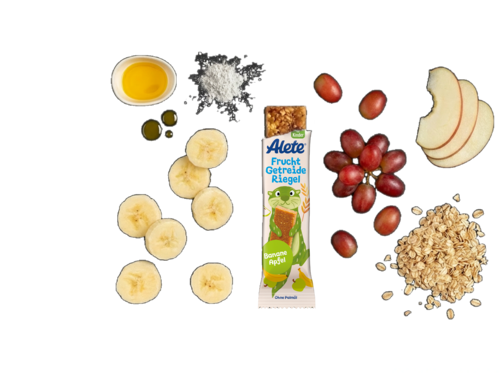
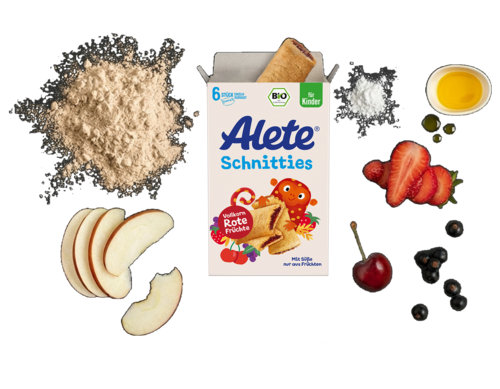
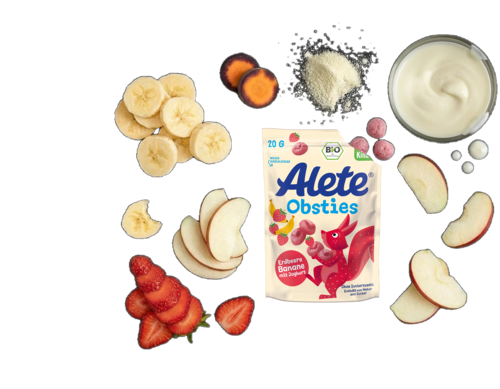
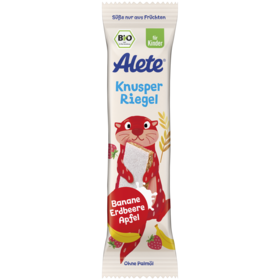
This is exactly where Alete Snacks come in. They’re specially designed for kids, conveniently packaged and don’t need to be refrigerated - perfect for car rides.
Tip: Give your child just a small portion at a time - that way, they’ll stay occupied longer, and you’ll still have some left for the next round.
Your toddler is fussing, and you're in the middle of the highway: Don't panic. Here's your quick-help list:

Toddlers have small stomachs and usually need to eat something every 2–3 hours. When taking long car trips with a toddler, be sure to plan regular breaks - this isn’t just good for feeding them, but also for keeping everyone in a good mood.
As a general guideline: no more than 1.5 to 2 hours without a break. Babies and toddlers need regular movement and stimulation - even when they’re sleeping. Short breaks are good for both of you.
The best options are dry, easy-to-handle snacks that don’t need to be refrigerated.
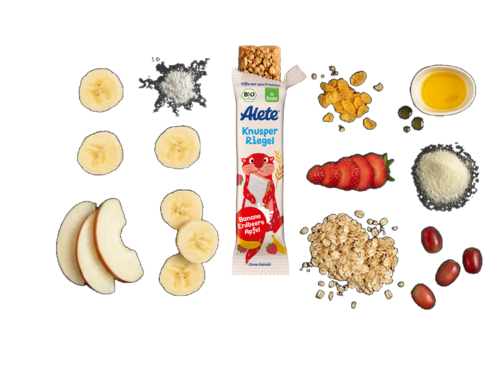
Alete Kids’ Crackers, Schnitties, and fruit-cereal bars come in convenient individual portions and are specially designed for on-the-go - with no added salt or table sugar. Discover all the snacks
It’s best to plan a little more generously. As a general guideline, you can plan for a small snack about every 1–2 hours. Especially during traffic jams or delays, it’s a good idea to always have an “emergency snack” on hand. Small portions make more sense than large ones, so your child isn’t overwhelmed and the snacks can be used strategically.
Not every child falls asleep in the car - and that’s perfectly fine. Try to time your departure to coincide with your child’s natural sleep and wake cycles. Some children need more stimulation (an audiobook, conversation), while others need less. Find out what calms your child - and make it part of your routine.
Get some fresh air (open the window briefly), focus your gaze straight ahead, and take breaks. If your child frequently suffers from motion sickness, talk to your pediatrician - he or she can provide specific help.
For short trips (less than 30 minutes), a song or a stuffed animal is often enough. For longer trips, it’s worth packing a small “surprise bag” with one or two new items - the novelty factor works wonders.
Stay calm and speak in your usual voice. If the crying doesn't stop: pull over safely, step outside for a moment, take a short break. Safety always comes first. You're doing the right thing.

If you have questions about nutrition during the weaning stage or about our products, our experienced colleagues at Alete Family Service will be happy to offer you advice and assistance.
Monday through Friday: 9:00 a.m. to 2:00 p.m.
Phone: 0800-1125205
Email: info@alete.de