
Making Your Own Baby Food
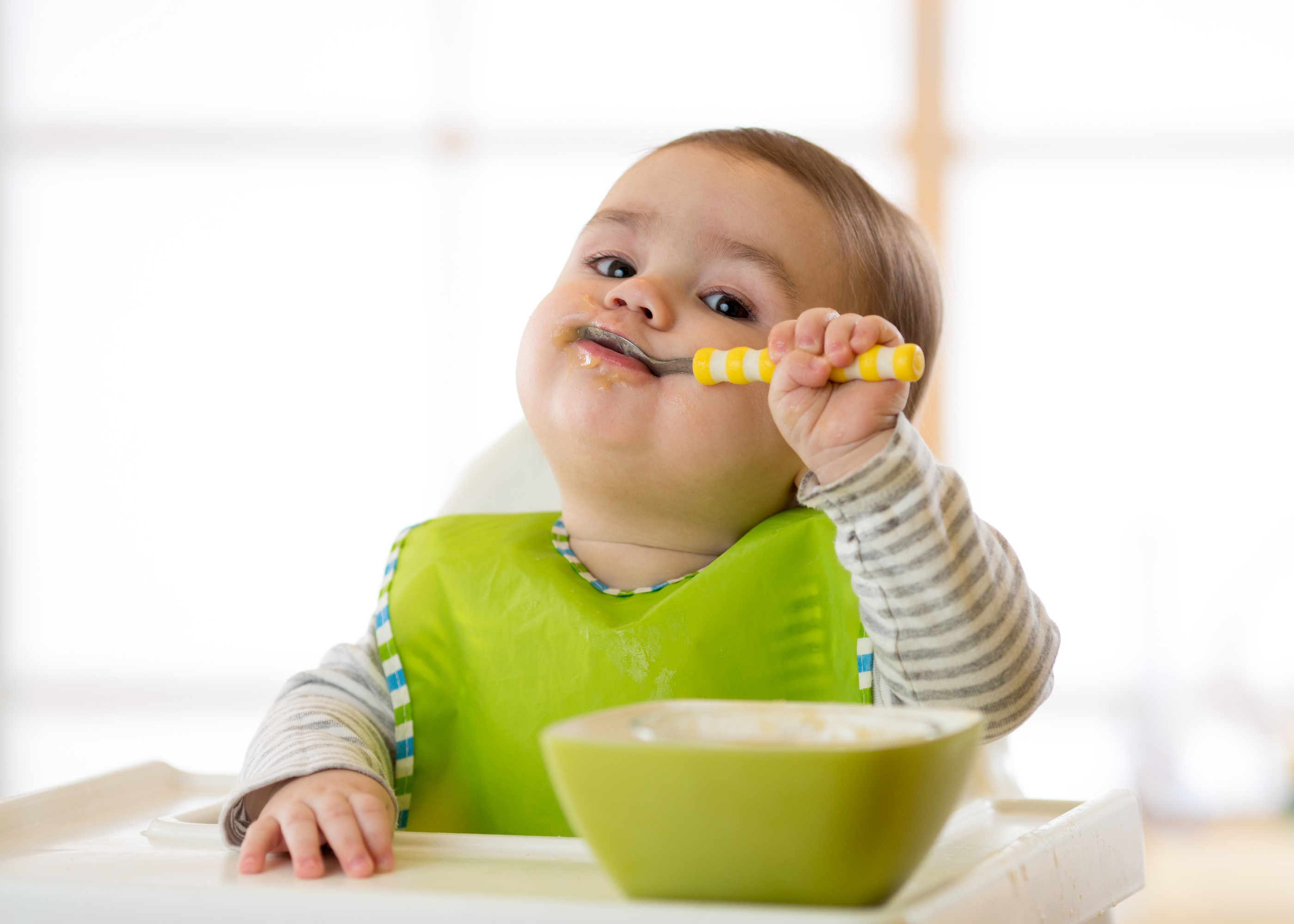
A practical guide if you want to try your hand at cooking
Starting solid foods is an exciting step - for you and your baby. In addition to buying ready-made baby food, many parents choose to make their own. They want to offer their child something fresh, healthy, and natural. If you decide to go this route, this guide will help you.
Why Make Your Own Baby Food?
When you cook yourself, you always know exactly what’s in your baby’s food. You decide on the ingredients and how to prepare them. Many parents also appreciate that:
- You can use local and seasonal ingredients.
- You can easily base meals on family dinners if you cook without added salt.
Cooking at home gives you freedom - and provides your baby with a natural variety of flavors.
How to introduce solid foods step by step
Ideally, introducing solid foods should start with a lunchtime meal and, at first, just one type of vegetable, such as carrots or parsnips; other well-tolerated vegetables can follow later. Babies need time to learn to eat from a spoon, and new flavors should be offered regularly, even if they’re rejected at first. Once your baby is eating about 100 g of vegetables, add potatoes and canola oil, followed later by meat or fish, until full meals are possible and milk feedings are phased out. Every baby develops at their own pace, and a lack of interest is normal - in this case, you can simply postpone the start by a few weeks.
The Best Foods to Start With
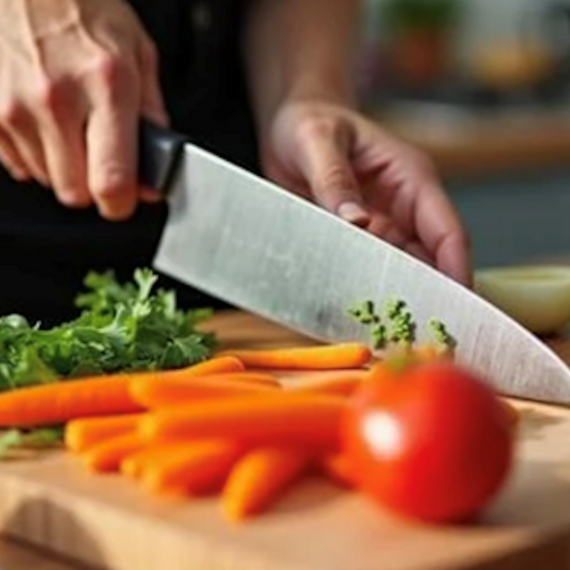
Mild-tasting vegetables are especially good for those first few spoonfuls - carrots, parsnips, squash, zucchini, or sweet potatoes. Broccoli is also well tolerated by many babies. After that, you can add potatoes, oats, or millet, and later fruits like pears, apples, or bananas. Pay attention to what your baby tolerates well, and then you can move on to the next vegetable.
A general order:
- Start with a single vegetable
- Then vegetable-potato combinations
- Then meat or vegetarian alternatives
- If your child eats the savory porridge, the milk-and-grain porridge replaces another milk meal
- Next comes the dairy-free fruit-and-grain porridge
You can use this as a flexible guide - the important thing is to stay calm.

Other Things to Keep in Mind
Important Rules for Ensuring Your Baby Eats Safely
Make sure you don’t use any salt or sugar. Raw animal products such as raw milk cheese or raw eggs are also off-limits, as is honey during the first year. Whole nuts are unsuitable due to the risk of choking, but if they’re finely ground, you can mix them into the baby food from time to time.
Feel free to use herbs like basil or parsley - babies should be introduced to different flavors, just nothing spicy.
How to Properly Store and Freeze Baby Food
Homemade baby food will keep in the refrigerator for about 24 hours. Many parents cook larger batches in advance and freeze small portions. This works well with ice cube trays or small glass containers.
The porridge will keep in the freezer for about three months. When reheating, be sure to stir the porridge well and heat it only once.
Finger Foods & Baby-Led Weaning
You might want to offer your baby finger foods in addition to baby food. Soft vegetable sticks, ripe avocado slices, steamed broccoli, or potato wedges work very well.
To ensure your baby eats safely, they should sit upright and never eat unsupervised.
Here you’ll find more information on baby-led weaning.
A Possible Schedule for Introducing Solid Foods
- Months 5–7: first vegetables, later vegetable-potato-meat puree, milk-cereal puree in the evening
- Months 7–10: More variety, first small pieces, soft finger foods
- Months 10–12: family meals adapted for your baby, mildly seasoned
Use this plan as a guide - feel free to be flexible and follow your baby’s lead.
You’ll find more tips in this article: Starting Solid Foods
Cooking your own baby food is easier than many people think. With a few fresh ingredients, a blender, and a little time, you can create delicious meals that provide your baby with good nutrition and introduce them to new flavors in a natural way. Take your time, experiment together - and enjoy this new phase.
FAQs About Cooking at Home
-
Are store-bought baby foods okay - or should I definitely cook by myself?
Yes, ready-made products are perfectly fine. Baby food jars and pouches are subject to strict controls and must meet high quality standards. So you can use them without hesitation - either regularly or as a supplement to homemade baby food. Baby food jars are great for when you’re on the go or on days when you need something quick.
-
What should I do if my baby keeps refusing to eat the baby food?
That's completely normal! Many babies need several tries before they'll accept new flavors. You can offer small amounts, take a short break, or try a different vegetable. The important thing is not to put any pressure on them.
-
If my baby has a cold or is sick, can I continue to feed him or her solid foods as usual?
Generally speaking, yes. However, when your baby is sick, they often have less of an appetite. In that case, it’s okay for them to drink more milk and eat less - that’s perfectly fine. Just pay attention to what makes your baby feel better. If your baby has a fever, a gastrointestinal infection, or is feeling very unwell, it may be a good idea to focus on milk again for a few days.

Our experts at Alete Family Services are here for you.
If you have questions about nutrition during the weaning stage or about our products, our experienced colleagues at Alete Family Service will be happy to offer you advice and assistance.
Monday through Friday: 9:00 a.m. to 2:00 p.m.
Phone: 0800-1125205
Email: info@alete.de
Important note: If you’re sending us photos with your inquiry, please make sure the total size of the attachments doesn’t exceed 20 MB!