
Healthy Eating for Kids - Made Fun and Easy with the Food Traffic Light and the Food Pyramid for Toddlers!
After their first birthday, most toddlers are already eating at the family table. Their desire and interest in eating the same food as their older siblings and parents grows steadily. Little by little - and at their own pace - baby food gradually disappears from their diet, and regular family meals become more and more common. During shared meals, children observe closely, imitate others, and try new things. This is how they learn what healthy eating habits look like.

Colorful, delicious and healthy: Three steps to a healthy diet
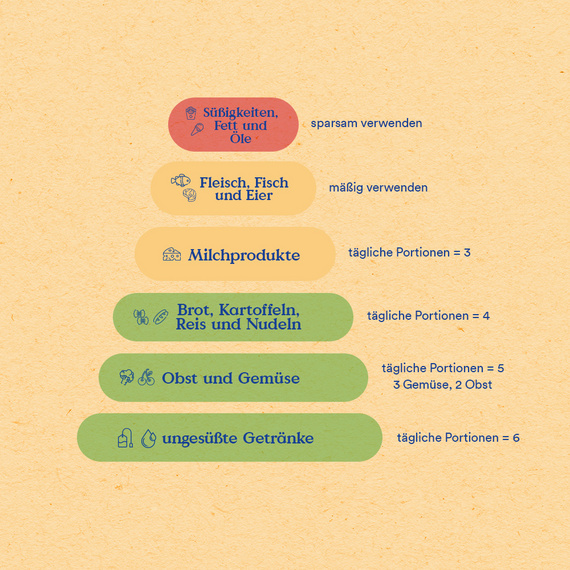
Of course, you want to set a good example. The food pyramid from the Federal Center for Nutrition (BZfE) offers helpful guidance. The pyramid shows you how you can easily put together a balanced and varied diet for your child. The good news is that these recommendations also apply to older children, teens, and adults. So you can use them to plan meals for the whole family.
We’ll explain in detail later how to use the food pyramid for toddlers. But as a general rule, you should stick to these guidelines:
- A healthy diet for children consists mainly of plant-based foods, plenty of water, and occasionally a tasty spritzer.
- Animal-based foods should be included regularly in the meal plan, but in moderate amounts.
- Sweets or very salty snacks should, of course, be the exception.
Learning to Eat the Easy Way with the Food Traffic Light System
The food pyramid is often used in combination with the food traffic light system, and it’s even more important for children. Find out here how you can make the most of both together - it’s so simple that you can easily explain the food pyramid to children, too.
With the traffic light system, green comes first. This means that foods marked green - such as water, vegetables, fruit, grains, and potatoes - can be eaten in abundance and thus form the base of the pyramid. Every meal should include a beverage. All main meals and snacks consist primarily of foods from the green zone. Main meals feature vegetables as the main ingredient.
Foods marked in yellow are located higher up in the pyramid and should be eaten regularly but in moderation. Milk and dairy products, fish, meat, sausage and eggs belong to this group. Foods marked in red make up the tip of the pyramid, meaning that foods such as fats, oils, snacks, and sweet foods and beverages should be enjoyed only sparingly.
The pyramid also shows how many servings of each food group should ideally be eaten or drunk each day. But don’t be too hard on yourself - not every day can be perfect. It’s the whole week that counts.
A serving for children is always the amount of food that fits in a child’s hand. For small foods like strawberries, form a bowl with both hands. A piece of fruit, such as an apple, also counts as one serving.
The Right Meal Structure: Better to Eat More Often, but in Smaller Portions
For toddlers, 5 meals a day - 3 main meals and 2 snacks - have proven to be effective. With what we already know about the different food groups, you can easily create a delicious and varied meal plan for your baby. But here are a few suggestions to get you started!
Main meals should include at least 3 different food groups, 2 of which should be from the green group: for example, whole-grain bread with cream cheese and a piece of carrot, or cereal with milk and berries. For the hot main meal, potatoes, pasta, rice, or other grains with vegetables as the main side dish are ideal. In addition, include fish once a week and meat three times a week.
A daily menu might look something like this:
- Apple pancakes for an energy-packed start to the day
- For lunch, a hearty turkey goulash with plenty of vegetables and potatoes
- For a light dinner: vegetables with millet and yogurt sauce
Snacks should consist of two different food groups, with at least half of the foods coming from the green or yellow categories.
Here are a few of our ideas:
- Yogurt, quark, or milk with oatmeal and fruit
- Cubed cheese with fruit pieces
- Whole-grain crackers with fruit salad or fruit quark
For more information on how to prepare snacks and between-meal treats suitable for toddlers, we have a detailed guide for you here.

A simple plan for quenching thirst, big or small!
To help your little foodie properly digest all that delicious food, it’s important to make sure they get the right amount of fluids. Six small servings (about 600 ml of tap or mineral water) from a glass or cup spread out over the day - that is, with every meal and in between - are a good guideline here. This way, your child will get used to drinking regularly from an early age. When they’re running around or on very hot days, or if they have diarrhea or a fever, their body needs more fluids - just like an adult’s. In those cases, it’s perfectly fine - and even recommended - to give them a little more water.
For a little variety, you can also offer unsweetened fruit, herbal, and rooibos teas. Be sure to brew the tea with plenty of water. Fruit juice spritzer (made with three parts water and one part juice) is great for quenching thirst, but should be offered only rarely due to the fructose it contains.
Crisp, Colorful Variety: Plenty of Variety with Fruits and Vegetables
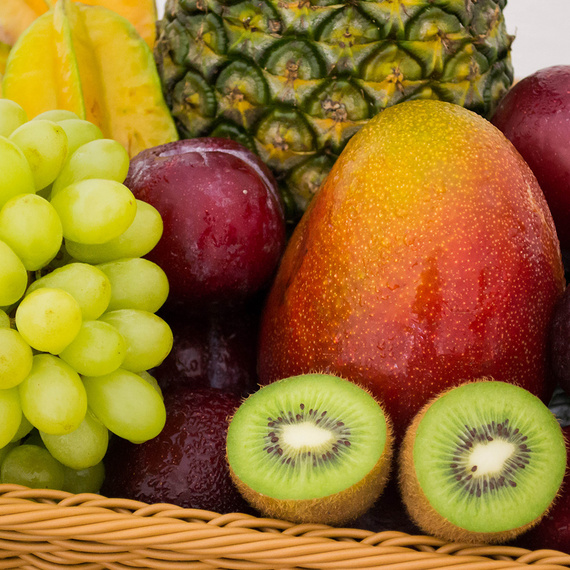
Your daily meal plan should include 5 servings (3 servings of vegetables and 2 servings of fruit, which is about 240–300 g). They don’t always have to be cooked: You can also offer your little whirlwind some raw vegetables or a tasty salad every now and then. Especially when you’re on the go or as a healthy snack between meals, finely chopped vegetables and fruit are ideal as finger food or in a lunchbox.
If your child is still hesitant to eat them, you can also include vegetables in soups, sauces, or “hide” them in a casserole. Small fruits like blueberries, small grapes, or raisins aren’t suitable for toddlers yet, as they can pose a choking hazard.
Bread, grains and side dishes as sustainable sources of energy
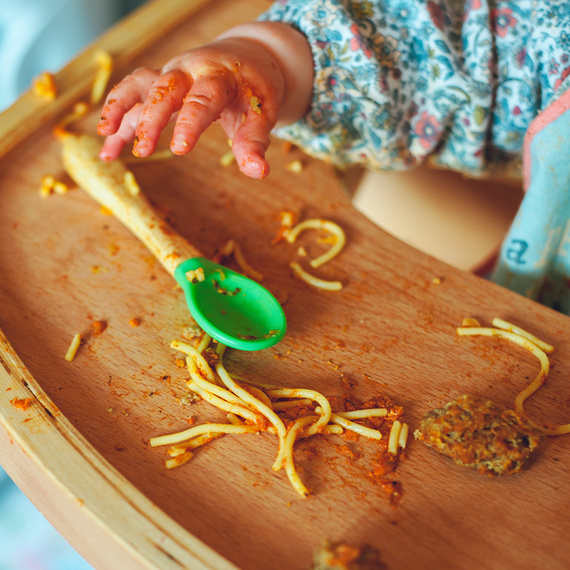
These are also among the foods marked in green and should be included in your diet at a rate of 4 servings per day. Why not try 3 grain products (80–120 g each) as well as 3 servings of bread or 2 servings of bread plus one serving of cereal (whole-grain options are, of course, a great choice here, too). Add one serving of a side dish per day, such as potatoes, rice, or pasta (about 100–120 g). Your little one is sure to love everything from delicious mashed potatoes to jacket potatoes to pasta in all its forms.
And don't forget these for growing big and strong: milk and dairy products
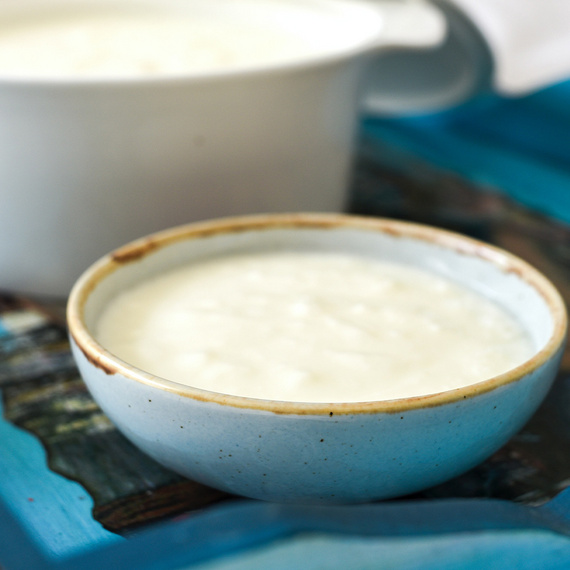
Toddlers should consume about 300–330 ml of milk and dairy products daily, ideally spread out over 3 servings. The abundant calcium strengthens bones and teeth. Milk and dairy products are marked in yellow on the food pyramid, meaning they should be part of the daily diet, but in moderate amounts.
Milk, yogurt, cheese on bread, and herb- or fruit-flavored quark are great choices for little foodies. It’s best to choose milk with 1.5% fat and no added sugars or artificial flavors. Cheese should have a mild flavor. Low-fat cream cheese, butter cheese, or young Gouda also go perfectly on a slice of whole-grain bread. However, you should avoid raw milk, “premium” milk, and raw milk cheeses.
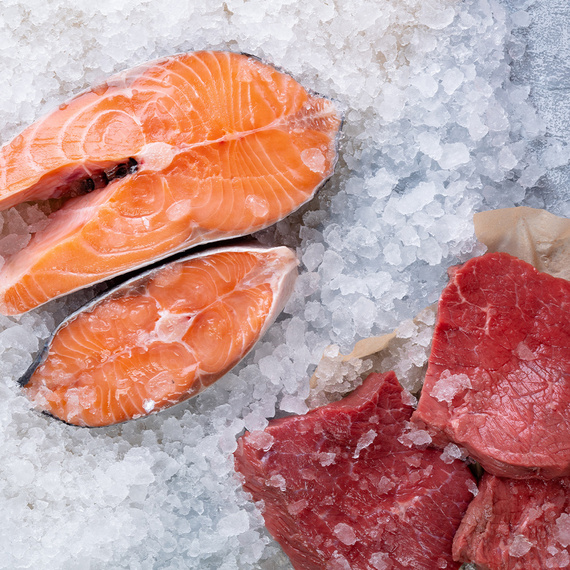
Meat, fish, and eggs provide high-quality protein and plenty of iron
Sausage and meat are also marked in yellow on the food pyramid. For toddlers, one serving is about the size of the palm of your hand (excluding your fingers) for thicker pieces of meat or fish, or the size of your entire hand for cold cuts (30–35 g per day). Three meat meals a week are sufficient, and one fish meal is ideal.
There are also a few things to keep in mind when choosing meat and fish products: Lean, tender meat and lean ground meat are the best options for little ones. You’ll also be making the right choice with tender fish like pollock or cod, as well as fatty fish (e.g., salmon).
Both meat and fish should be cooked thoroughly (pan-fried or steamed), and it’s essential to remove any bones from the fish. Toddlers can eat 1–2 chicken eggs per week, but these should also be thoroughly cooked. But be careful: Eggs are often already included in other dishes like cakes, pancakes, or casseroles. Therefore, there’s no need for an additional egg at breakfast.
Fats and oils provide a lot of energy even in small amounts
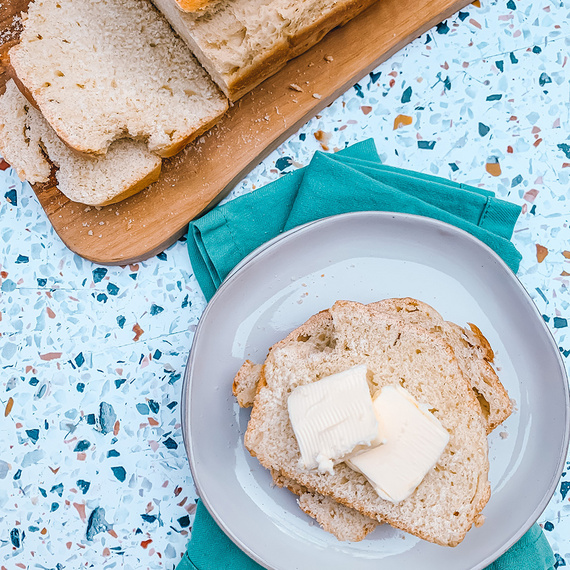
These are shown at the top of the food pyramid. They are marked in red because, due to their high calorie content (especially for toddlers with even lower overall energy needs), they should be used sparingly. However, you shouldn’t cut them out entirely because of their valuable vitamins and fatty acids. 1.5–2 tablespoons of vegetable oil (e.g., canola, corn oil, or sunflower oil), margarine, or butter per day is sufficient for a toddler.
This amount refers to the visible fat on a slice of bread with butter, the fat used for frying, or the oil in a salad dressing. Your child should consume as little as possible of the hidden fats found in sausages, cheese, sauces, and sweets.

Sweet, greasy or salty snacks? Sure, but only as an exception
These treats do not provide any essential nutrients for the body and should therefore only be included in the diet occasionally. Children already get enough of the carbohydrates found in abundance in these treats from the rest of their meals. That is why this group forms the red, uppermost tip of the pyramid. This group includes candy, cake, potato pancakes, croissants, soda, fruit juice drinks, nut nougat spread, and much more.
If possible, wait until your child is a bit older before offering these treats - that way, they won’t miss them until then. After that, you can incorporate mindful snacking into your daily routine. Finding the right amount is quite simple: sweet and salty snacks should be eaten only once a day and the portion should fit in one hand. You can find more about snacks for toddlers in our guide.
That’s a lot of information - from apples to sugar beets. If you’re curious about what ingredients we use (and how well they align with what we’re writing here), why not take a look at our ingredient glossary!

Our experts at Alete Family Services are here for you.
If you have questions about nutrition during the weaning stage or about our products, our experienced colleagues at Alete Family Service will be happy to offer you advice and assistance.
Monday through Friday: 9:00 a.m. to 2:00 p.m.
Phone: 0800-1125205
Email: info@alete.de
Important note: If you’re sending us photos with your inquiry, please make sure the total size of the attachments doesn’t exceed 20 MB!