
Lunch Porridge
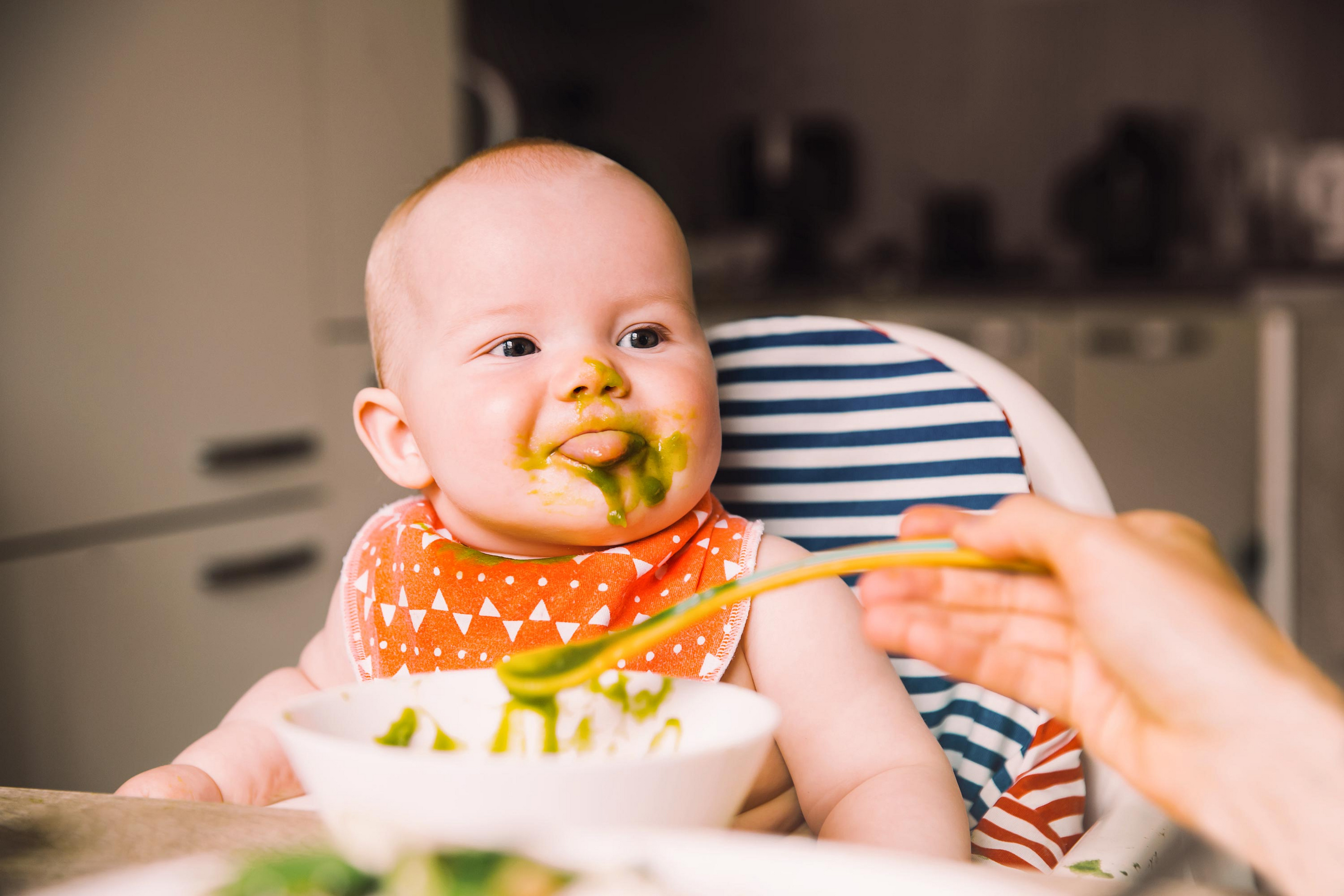
The Vegetable-Potato-Meat Porridge
In Germany, it’s traditional to start introducing solid foods with a hearty lunch porridge.
Why is that?
- For one thing, babies are often more alert at lunchtime and “more receptive” to new taste experiences.
- For another, the meat - which is newly introduced into the diet as part of this hearty meal - provides important iron.
Gradual Introduction of New Foods
Start your baby’s spoon-feeding journey with a vegetable. If your baby tolerates this vegetable well, you can try another one. Particularly mild, slightly sweet-tasting vegetables like carrots, parsnips, squash, zucchini, or sweet potatoes work well, since breast milk and infant formula also have a sweet taste. This makes it easier for your baby to start eating with a spoon.
Vegetables that are hard to digest or cause gas (e.g., white or red cabbage, legumes, and onions) aren’t suitable for the start of solid foods yet.
Feel free to offer your baby new types of vegetables every 1–2 days right from the start. The earlier your baby discovers a variety of flavors, the more open they’ll be later on to a balanced and varied diet. If your baby initially refuses a certain ingredient or vegetable, don’t give up - keep offering it. Studies show it can take up to seven tries before babies accept something new.
Once your baby has gotten used to the vegetables, add a “filling side dish” to the meal. Potatoes are usually served with vegetables at first. Once your child has gotten used to this flavor as well, round out the meal with meat or fish.
Our tips:
- Don’t stress - your baby sets the pace.
- Start with a few spoonfuls of vegetable puree before the milk feeding at lunchtime. If the spoonfuls go well, slowly build up the portion of puree. Depending on your little one’s appetite, increase the amount day by day. You’ll see: the more puree, the less milk.
Until your baby eats a full lunch, they’ll still have only their milk feeding at all other meals.
If you notice that your baby isn’t interested in solid foods at all yet, that’s no problem. Just wait two weeks and then try again.
Simple Basic Recipe for Lunch Porridge
Vegetable, Potato, and Meat Puree
For one serving, you can use this mixture as a guide:
- 100 g vegetables (e.g., cauliflower, carrot, zucchini)
- 50 g potatoes
- 30 g lean meat (e.g., beef, poultry) or fatty fish (e.g., salmon)
- 1 tbsp canola oil
- 1 ½ tbsp fruit juice (or fruit puree as a dessert)
Cook everything until tender, puree, and add the oil at the end.
At first, the consistency can be very smooth. Over time, you can use less water or leave in very small pieces so your baby can get used to different textures.
Recipe for the vegetarian alternative
Vegetable, Potato, and Grain Porridge
If you’d like to leave out the meat in the porridge, replace it with whole-grain cereal.
Here’s the basic recipe for one serving
- 100 g vegetables
- 50 g potatoes
- 10 g whole-grain cereal flakes (e.g., oats, millet)
- 1 tbsp canola oil
- 3 ½ tbsp fruit juice (or fruit puree as a dessert)
Here’s how to prepare the porridge:
Boil the vegetables and potatoes in a little water for about 10 minutes. Add the whole-grain cereal flakes and puree everything with the juice. Then stir in the canola oil.
If the porridge is too thick, add a little water.
FAQ on Making Your Own Lunch Porridge
-
Does meat really have to be part of your diet?Yes and no. After all, your little foodie should get everything he needs to grow.
If you’d like to feed your baby a vegetarian diet, you can replace the vegetable-potato-meat puree with a vegetable-potato-grain puree. However, you should take special care to ensure an adequate iron intake:
- Replace the meat with whole-grain cereals. Oat or millet flakes work best for this. Whole-grain cereals are a good plant-based source of iron.
- Also, use fruit juice when preparing the puree. The vitamin C in the juice helps the body absorb iron.
-
My baby only likes sweet things!Your little one who's just starting solids isn't just cute—he or she won't eat anything else either?
This is completely normal, because a preference for sweet tastes is innate in humans: Even the amniotic fluid in the womb tastes slightly sweet, as does breast milk. Babies first have to get used to all other flavors.
Nevertheless, you should get your child used to savory foods as early as possible. The transition can be made gradually. For example, children really like the slightly sweet taste of carrots.
The important thing is to always stay calm. Even if your child wrinkles their nose or starts to complain, the key for you is to keep at it—but without putting pressure on them! Babies and children simply need to try many foods more often to get used to them. This is the only way their individual tastes will develop, bit by bit.


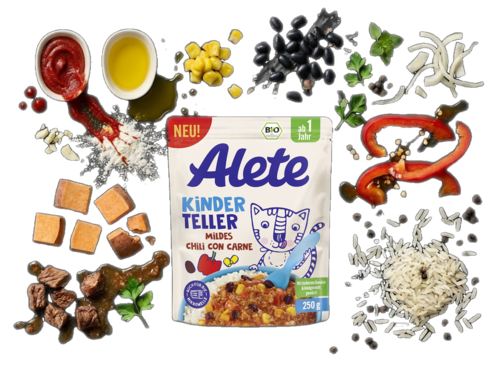
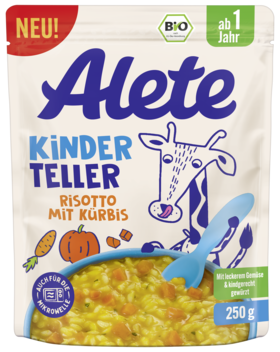
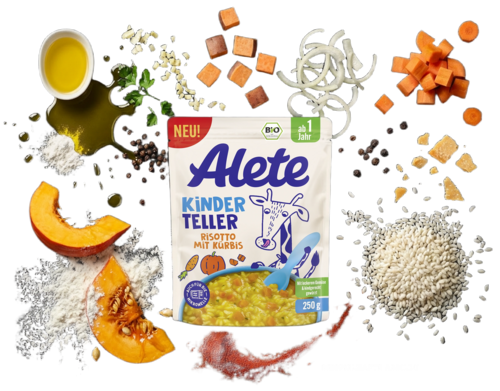
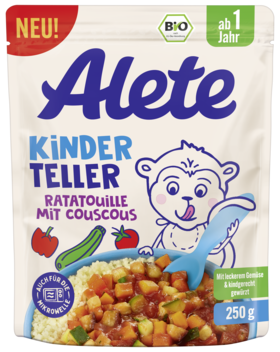
If you don't feel like cooking
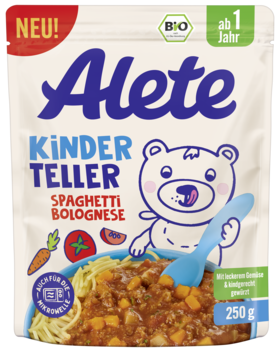
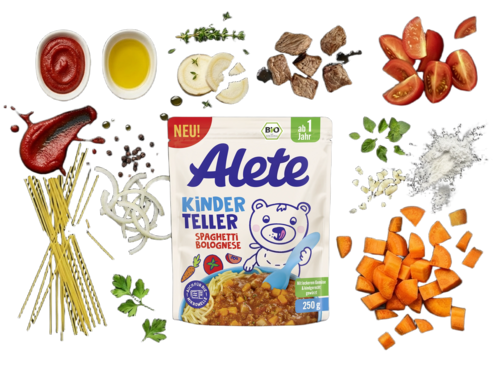
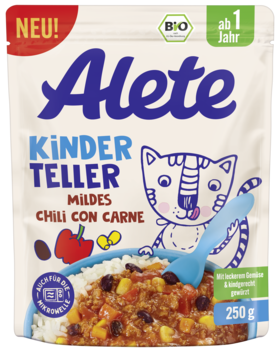
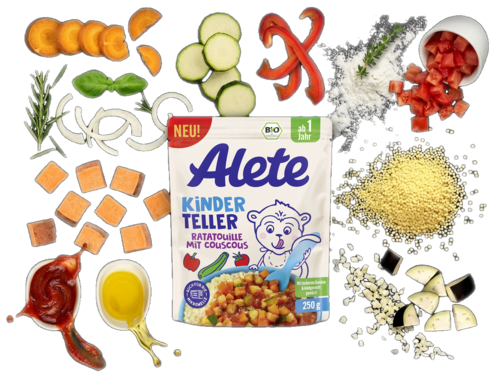

Our experts at Alete Family Services are here for you.
If you have questions about nutrition during the weaning stage or about our products, our experienced colleagues at Alete Family Service will be happy to offer you advice and assistance.
Monday through Friday: 9:00 a.m. to 2:00 p.m.
Phone: 0800-1125205
Email: info@alete.de
Important note: If you’re sending us photos with your inquiry, please make sure the total size of the attachments doesn’t exceed 20 MB!