
Why Kids Love Sweets
A preference for sweet foods is innate: even amniotic fluid and breast milk have a slightly sweet taste. So it’s no wonder that children later on enjoy reaching for sweet snacks. But how much sugar is actually okay for babies and toddlers? And why is sugar included in special products for children in the first place?

Sugar - a nutrient, but in moderation
Sugar is not a harmful substance, but a natural component of many foods. Both added table sugar and natural sugars from fruit or milk are generally allowed - but only in limited amounts.
Examples of natural sources of sugar include:
- Milk (lactose)
- Fruits such as apples or bananas (fructose)
- Vegetables such as carrots
However, moderation is especially important when it comes to sweets. Overly strict bans only make sweets even more appealing. A relaxed, mindful approach is therefore advisable.
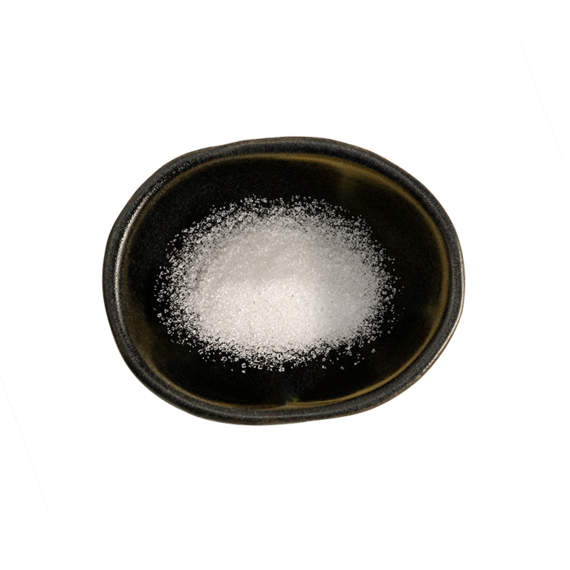
How much sugar can toddlers eat?
The Department of Child Nutrition Research (FKE) recommends that, starting at age 1, no more than 10% of daily energy intake should come from candy and snacks.
That’s roughly one serving per day - enough to fit in a small child’s hand.
Our products offer the following:
- Portion sizes according to FKE recommendations
- Note on dental care
- “No added sugar” labeling on applicable items
Many ingredients - such as apples - naturally contain sugar. The maximum sugar content for baby food is regulated by law and is, of course, adhered to during production.
The maximum sugar content in baby food products is determined by legal requirements for foods intended for infants and toddlers. These requirements are, of course, adhered to during the development and production of our Alete products.
Tips for a Healthy Approach to Sweets
Some children would love to snack all the time. These simple rules can help in everyday life:
- Set specific snack times (e.g., after lunch).
- Prepare a treat box: Your child can choose something from it once a day.
- Snack mindfully and not while doing other things - for example, not in front of the TV.
- No sweets before meals, so as not to spoil their appetite.
- Avoid phrases like “Vegetables first, then dessert” - that makes vegetables seem less appealing.
- Always set a good example - what adults eat, children will want to eat too.
If it's sugar, then it should be transparent
Our goal is to add as little sugar as possible - or none at all.
Many of our products contain no added sugar - just the natural sweetness of the ingredients.
Why some products still contain sugar:
- Flavor (e.g., cookies are typically sweet)
- Technological reasons: Sugar provides the characteristic texture - slightly crumbly - so the cookie doesn’t crumble. This is important so that young children can chew safely.
If sugar is added, it’s clearly listed in the ingredients.
The total sugar content is listed in the nutrition facts panel - so you can decide for yourself what you’d like to offer your child.
FAQs on Sugar Consumption for Children
-
How much sugar can toddlers eat each day?
According to recommendations from the Department of Child Nutrition Research, no more than 10% of daily energy intake should come from sweets and snacks - about a small child’s handful per day.
-
Is natural sugar from fruit or milk safe?
Natural sugar from fruits, vegetables, or milk is part of a balanced diet. The key is to ensure that the total amount of sugar - whether added or natural - is not too high.
-
Why do some children's products still contain sugar?
Some products require sugar for flavor or technical reasons. In cookies, for example, sugar provides the characteristic sweet taste and crumbly texture, which makes them melt more easily in the mouth and ensures they are safe for children.




Our experts at Alete Family Services are here for you.
If you have questions about nutrition during the weaning stage or about our products, our experienced colleagues at Alete Family Service will be happy to offer you advice and assistance.
Monday through Friday: 9:00 a.m. to 2:00 p.m.
Phone: 0800-1125205
Email: info@alete.de
Important note: If you’re sending us photos with your inquiry, please make sure the total size of the attachments doesn’t exceed 20 MB!