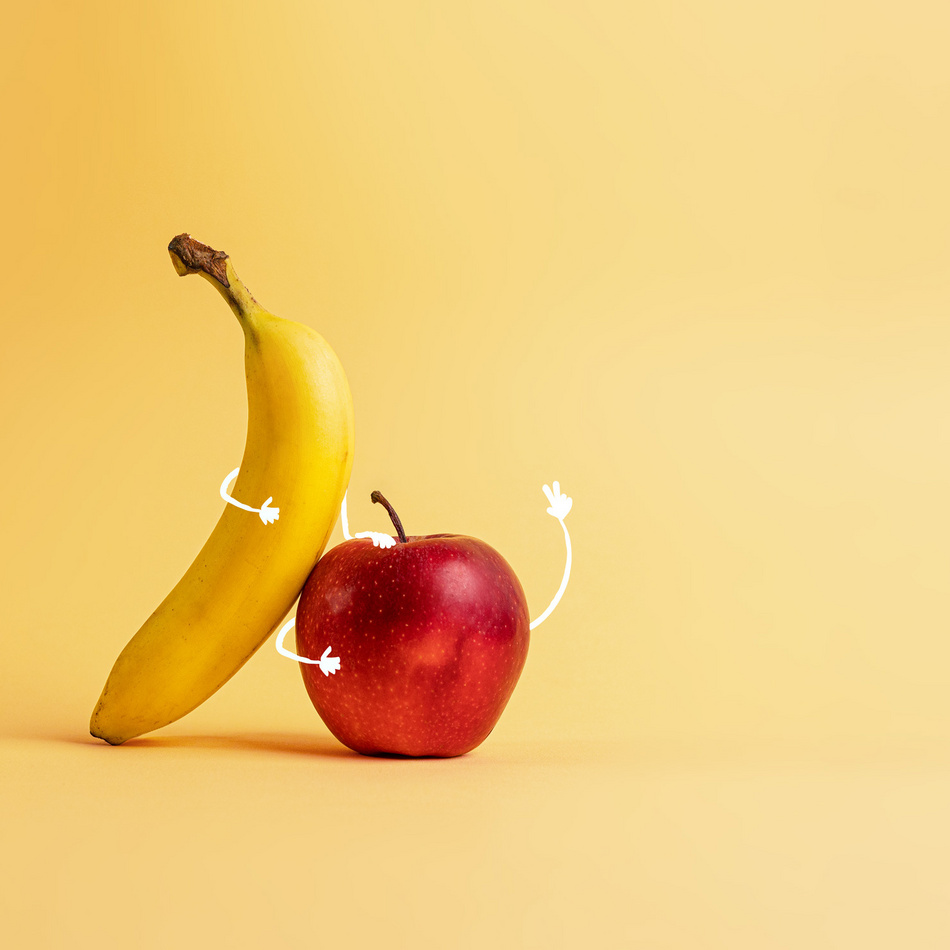
Apples: The All-Around Fruit for the Whole Year
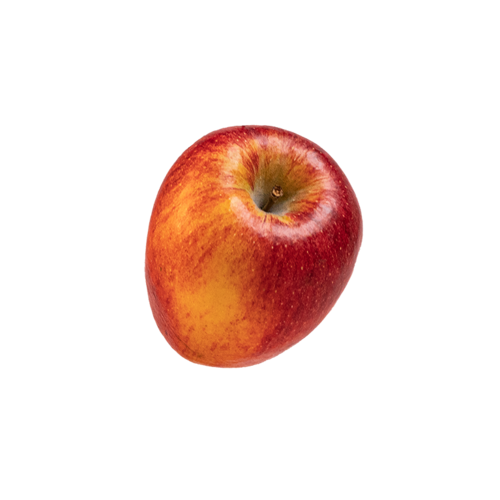
The apple is native to our region. These days, it’s grown only on small spindles, so the fruit can be harvested more easily without a ladder. This also optimizes the yield.1 In Germany alone, over 1,000 different apple varieties are grown. They differ in appearance, texture, aroma, and flavor—there’s something for everyone!

Did you know?
I'm sure Grandma still remembers this, too: a tried-and-true home remedy for diarrhea is grated apple. Grating the apple releases a substance called pectin, which can bind fluids in the intestines and thus firm up the stool.
"An apple a day keeps the doctor away!"
There’s a lot of truth to this saying! Apples are packed with important vitamins and nutrients that, as part of an overall balanced diet, can help prevent certain diseases. For example, apples contain plenty of vitamin C and polyphenols. Among other things, vitamin C and polyphenols have an antioxidant effect, protecting cells from harmful substances like free radicals. Vitamin C also plays a role in many different metabolic processes. Find out what else apples have to offer and why they’re good for your little foodie’s diet.
Quick Energy
Because they have a high fructose content, apples provide a quick source of energy.
High in fiber
It's best to eat the apple unpeeled—provided the little ones can chew well and the apple has been washed. That way, you get the full amount of fiber.
For a healthy gut...
Dietary fiber consists of indigestible food components that our bodies cannot absorb. As a result, it ends up in the lower sections of the intestine, where it helps keep things moving.
... and against bacteria.
It is primarily the "good" bacteria in the gut that can utilize these dietary fibers and thereby multiply. In doing so, they simultaneously displace "bad," disease-causing bacteria.
Suitable for babies starting solid foods—after 4 months
Infants’ iron stores are depleted by about 6 months of age. To make the iron in food more readily available to babies, you can add a little vitamin C to their lunch.
For example, try offering your little one some applesauce or apple juice after a meal, or stir it into their porridge. This is especially important for a vegetarian diet, since the body doesn’t absorb iron from plant-based foods as well as it does from meat.
If you’d like to learn more about introducing solid foods, feel free to check out our guide to solid foods.

Here's what's in an apple in terms of nutritional value
Nutritional Values per 100 g2 |
|
|---|---|
| Water | 82.5 g |
| Dietary Fiber | 2.0 g |
| Sugar | 13.2 g |
| Pyridoxine (Vitamin B6) | 43.0 µg |
| Vitamin C | 12.0 mg |
| Vitamin A | 5.0 µg |
| Potassium | 119.0 mg |
| Magnesium | 5.0 mg |