
Banana: A Baby Favorite
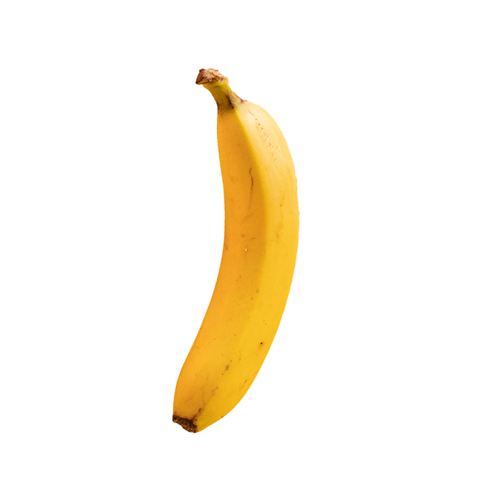
Bananas grow in the tropics and subtropics. Botanically speaking, they are berries. Bananas are harvested while still unripe and then treated with ethylene in the country where they are sold so that they can continue to ripen. The banana plant bears fruit only once in its lifetime. It is estimated that there are over 1,000 varieties of bananas! However, not all of them are edible. We are mostly familiar only with the “Cavendish banana”—sweet, delicious, and edible raw.1

Did you know?
Most people peel a banana the wrong way! Do you, too?
The real “banana expert”—the monkey—doesn’t open a banana at the top stem; instead, it peels it from the bottom up. That’s because, especially with fresh bananas, the stem is still very firm, and opening it from the top can cause the flesh to get unattractively squished. Plus, the often-annoying strings tend to get caught in the peel when you peel it from the bottom.2
Enjoy bananas all year round!
This yellow superfruit is in season all year round!3 Bananas are very popular—not only when introducing solid foods to little ones, but also as a quick, energy-boosting snack for adults. Find out what bananas are packed with and why they’re good for your little foodie’s diet.
Nice and soft
Very popular in baby food: since bananas are nice and soft, they can be easily mashed with a fork. However, you shouldn't use too many bananas, as they contain a lot of natural sugar.
A Delicious Energy Snack
Bananas are rich in magnesium, provide sugar and thus quick energy, fill you up quickly, and are easy on the stomach. That's why bananas are ideal as a snack for bike rides or day trips.
Ouch, a calf cramp!
Calf cramps are painful and uncomfortable. Taking magnesium is recommended as a treatment for adults. A banana is a delicious and more natural alternative to a pill!
Stool-firming agent
Bananas are known for helping to firm up stools. They can help relieve diarrhea.
Suitable for babies who are more advanced in solid foods—after 4 months
Bananas are especially popular with babies and are often the first fruit they try to eat on their own. They’re great for holding in their hands and easy to mash into a puree because they’re so soft.4 This works just fine even before they have teeth. Bananas are ideal for babies who are more advanced in solid foods, for example, served alongside evening porridge, which is usually introduced as the second solid meal.
If you’d like to learn more about introducing solid foods, check out our guide to solid foods

Here's what's in a banana in terms of nutritional value
Nutritional Values per 100 g6 |
|
|---|---|
| Water | 75.2 g |
| Dietary Fiber | 2.0 g |
| Sugar | 17.3 g |
| Pyridoxine (Vitamin B6) | 363.0 µg |
| Vitamin C | 11.0 mg |
| Vitamin A | 5.0 µg |
| Potassium | 367.0 mg |
| Magnesium | 30.0 mg |
Quellen
1 http://www.dole.de/dole-earth/farmtour/bananito/hotspot/biodiversity.html
2 https://www.dole.com/de-de/blog/nutrition/peeling-bananas-correctly
3 https://www.5amtag.de/genuss/das-hat-saison/winter/bananen/
4 https://www.kleinkind-ernaehrung.de/23-perfekte-lebensmittel-fuer-die-kleinkind-kueche/
5 https://mampfbar.de/obstsorten-beikoststart/
6 DGExpert