Bell Peppers: A Nightshade Plant
Which is correct: "der Paprika" or "die Paprika"?
Grammatically, “der” is correct for a single paprika, and “die” is correct in the plural. However, both forms can actually be used. When referring to the spice or vegetable of the same name, the masculine form “der Paprika” is more common. If, on the other hand, the pepper itself is meant, the feminine form “die Paprika” is usually chosen.1

Our Tip
Prepare the bell peppers with the seeds removed, if possible
Turn the bell pepper over and make two crosswise cuts, cutting about halfway to the center. Then you can easily remove the quarters from the stem without leaving any behind. The best part is that there are usually no seeds left—or very few.
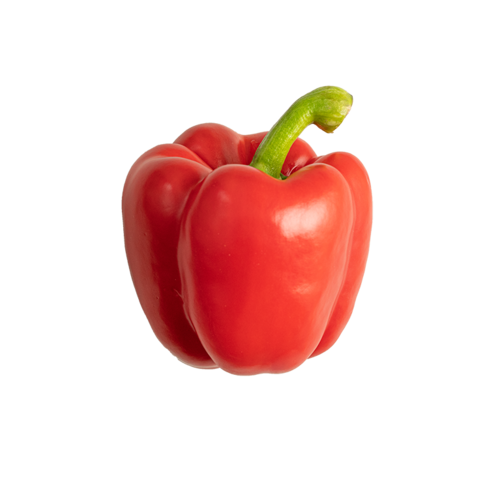
Bell pepper
Bell peppers are packed with vitamin C, provitamin A, and folic acid! They’re a real vitamin powerhouse. When cooked, even little ones can enjoy them—especially if they’re finely pureed or peeled. Find out what else bell peppers have to offer and why they’re great for your little foodie’s diet.
Vitamin C Powerhouse
Bell peppers contain twice as much vitamin C as lemons! Who would have thought? Among other things, vitamin C has antioxidant properties, which protect cells from harmful substances such as free radicals, and it plays a role in many metabolic ...
Folate
Folate, also known as folic acid, is important for cell division and growth. This vitamin is particularly important during pregnancy, which is why it is recommended to take a supplement containing it even before becoming pregnant.
Beta-carotene
Beta-carotene is a precursor to vitamin A. Vitamin A is important, for example, for the immune system, vision, the development of the skin and mucous membranes, and for growth and reproduction.
Potassium
Bell peppers are a good source of potassium. Potassium is an important mineral in the body and plays numerous roles, such as maintaining electrolyte balance and nerve cell excitability.
Suitable for babies who are already eating solid foods—starting at 6 months
Once your baby has tried a few types of vegetables and other foods, they can try bell peppers, too. However, cooked bell peppers without the skin or finely pureed are best for this.
If you’d like to learn more about introducing solid foods, take a look at our guide to solid foods.

Here's What's in Bell Peppers in Terms of Nutritional Value
Nutritional Values per 100 g² |
|
|---|---|
| Energy | 36.6 kcal |
| Water | 87.3 g |
| Carbohydrates | 10.0 g |
| Dietary Fiber | 3.6 g |
| Potassium | 260.0 mg |
| Vitamin A | 354.0 µg |
| Folate | 55.0 µg |
| Vitamin C | 140 mg |