
Kinderkeks
Healthy eating also means letting little foodies have a snack every now and then. But be careful: ...

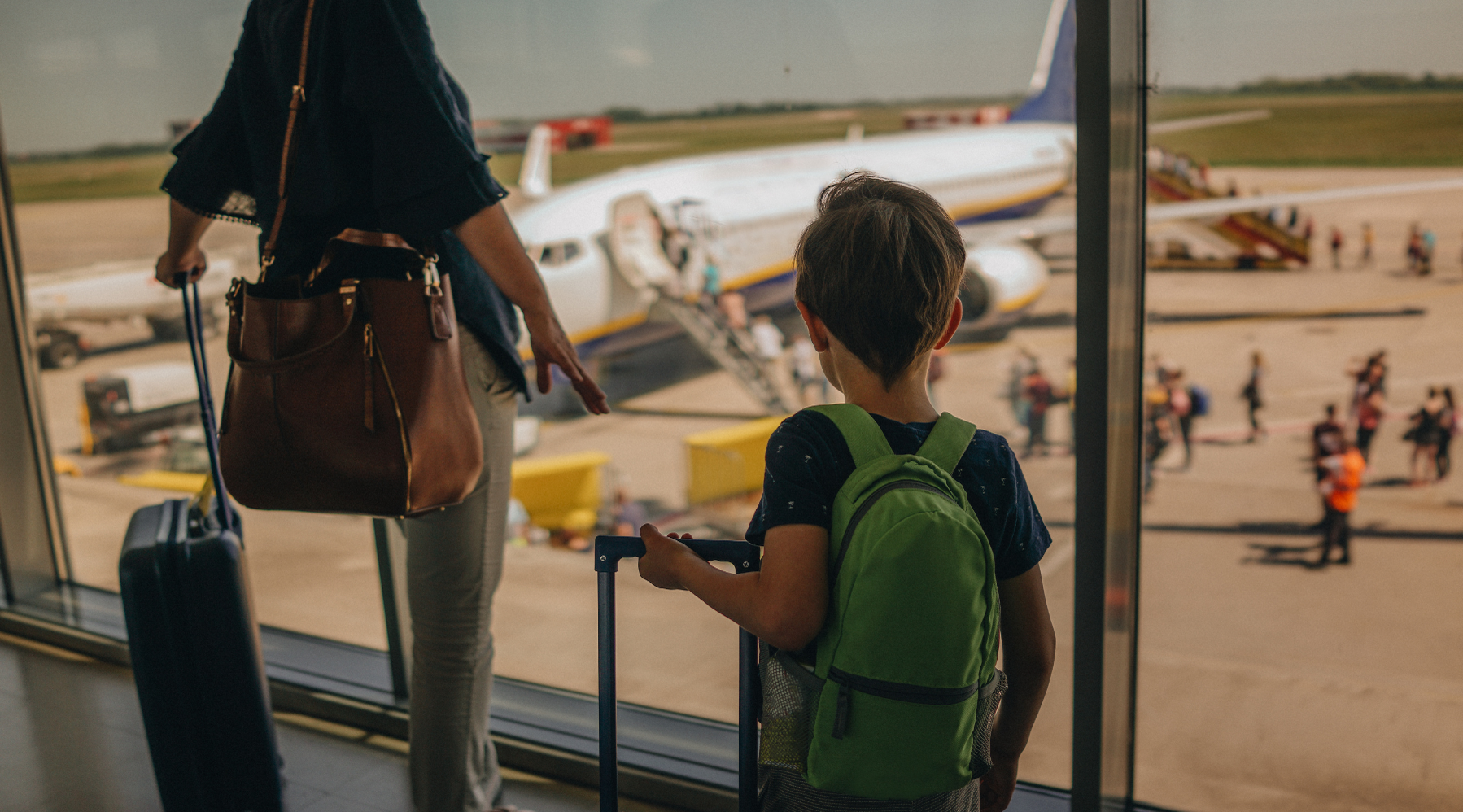
Traveling with a toddler is often full of wonderful experiences. At the same time, there are also challenging moments: the train is delayed, the flight takes longer than planned, or suddenly everything seems to be too much at your vacation destination. When your child whines, cries, or gets restless, there’s usually an underlying need that requires your attention right then.
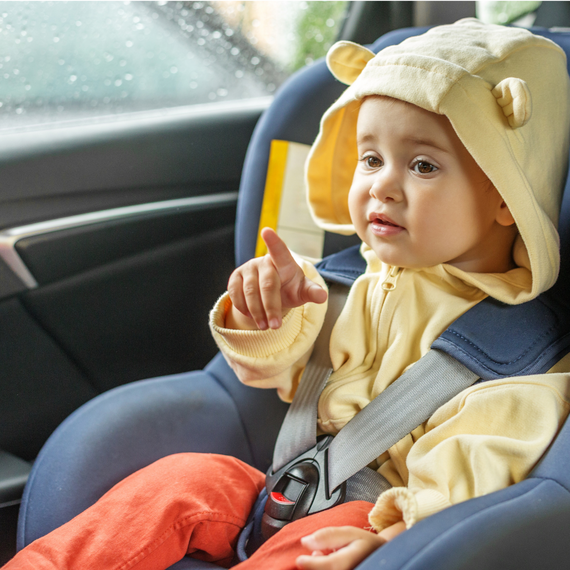
Many parents quickly find themselves wondering while out and about: Is my child hungry? In reality, however, restlessness can have a wide variety of causes.
For example, crying, whining, or a bad mood could be caused by:
Especially when traveling, several factors often come together at once. A long day filled with new experiences, unfamiliar sounds, and changes in routine can quickly overwhelm children.
Possible | How to |
| What Can Help | |
|---|---|---|---|---|
| Hunger | It’s been a while since their last meal; they show interest in food | Offer a small snack | ||
| Fatigue | Rubbing eyes, clinginess, irritability | Allow for rest and relaxation | ||
| Overwhelm | Withdrawal, crying, restlessness when overwhelmed by sensory input | Reduce stimuli, find a quiet place | ||
| Urge to move | Restlessness, wanting to run around | Take a break to move around | ||
| Need for closeness | Seeking cuddles, wanting to be held | Provide physical closeness and affection |
Whether at the train station, the airport, or in traffic: Waiting can be exhausting for young children. They often don’t know why things aren’t moving and when they’ll finally get going again.
So try to explain the situation simply: “Our train is delayed. We’ll wait a little longer and then get on.”
Even if your child doesn’t fully understand the situation yet, calm words provide guidance and reassurance.
Also check:
New smells, strangers, loud noises, and lots of new experiences can quickly lead to sensory overload.
Typical signs include:
In moments like these, less is usually better than more. Instead of offering toys, snacks, and distractions all at once, it can be helpful to find a quieter place and offer comfort.
Many parents look forward to getting started right away. For children, however, the new environment first requires some time to get their bearings.
Give your child time:
Sometimes a quiet settling-in period is more helpful than a big outing right away.
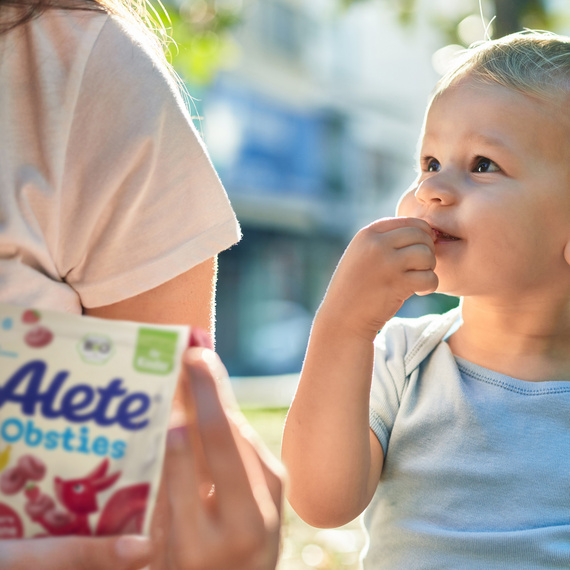
Snacks can be a practical help when traveling, especially if meals are delayed or there are long wait times.
Recognizing Hunger
Possible signs of hunger may include:
Keep in mind: Whining or crying alone does not automatically mean your child is hungry.
Especially when you’re on the go, it’s not always possible to stick to meal times exactly. That’s why it can be helpful to bring along some familiar snacks.
For example, taking a snack break can be a good idea if:
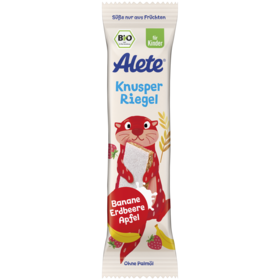
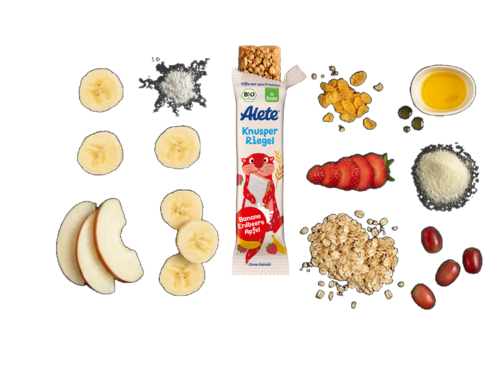
Age-appropriate snacks from Alete can be a practical addition for when you’re on the go.
Sometimes a child is given something to eat but remains restless. In that case, it’s worth taking another look.
Perhaps your child needs:
Not every need can be met with a snack.
A lot changes when you travel. That’s why small, familiar anchors can be all the more helpful.
These can include:
Such rituals provide a sense of security, even when the surroundings are new.
Young children benefit from knowing what’s coming next.
For example:
Simple announcements like these help them make sense of changes.
Instead of sticking to rigid schedules, it can be helpful to pay attention to your child’s cues:

Some days just don't go as planned. That's completely normal.
A trip with a toddler doesn’t have to be perfect. Even with good preparation, tears, frustration, or feeling overwhelmed can be part of the experience.
In situations like these, try to:
Often, it helps to remember that difficult moments are temporary and don’t mean that something is wrong.
If health issues such as a fever, severe pain, or persistent symptoms arise, you should seek medical advice.
Stressful moments while traveling are a common part of life for many families. Restlessness or whining can stem from a wide variety of needs—from hunger and tiredness to feeling overwhelmed by all the new experiences.
If you take a moment to observe the situation and pick up on your child’s cues, you’ll often find it easier to provide the right support. Sometimes that means a snack break, sometimes a cuddle, or simply a little quiet time.
There’s no such thing as a perfect trip. But with calmness, flexibility, and a little understanding of your child’s needs, even difficult moments can be handled well.
Stay as calm as possible, explain the situation in simple terms, and see if your child is hungry, thirsty, needs to move around, or just wants to be close to you.
If mealtimes are delayed, there are longer wait times, or your child shows clear signs of hunger.
Then there may be another underlying need, such as fatigue, feeling overwhelmed, or a desire for closeness.
Fatigue often manifests as rubbing the eyes or clinginess. Feeling overwhelmed can manifest as withdrawal, crying, or severe restlessness.
Time to get your bearings, familiar rituals, and exploring together provide a sense of security.
As much as possible, stick to familiar mealtimes, rest periods, and routines, without being too rigid about specific times.

If you have questions about nutrition during the weaning stage or about our products, our experienced colleagues at Alete Family Service will be happy to offer you advice and assistance.
Monday through Friday: 9:00 a.m. to 2:00 p.m.
Phone: 0800-1125205
Email: info@alete.de